
How Louis Vuitton Turns Heritage into Global Cultural Power
Louis Vuitton is one of the clearest examples of how a luxury brand can transform heritage into global cultural power. The Maison does not treat history as something static. Instead, it uses heritage as a foundation for innovation, storytelling, product desirability, and cultural influence.
For luxury brands, this is an essential lesson. Heritage alone does not create authority. A brand must know how to reinterpret its past for the present, connect craftsmanship with emotion, and build a world that feels both timeless and modern.
Louis Vuitton has mastered this balance. From travel trunks and leather goods to fashion shows, collaborations, art partnerships, architecture, music, and digital culture, the brand continues to expand its influence without losing its original identity.
A Heritage Built on Travel and Craftsmanship
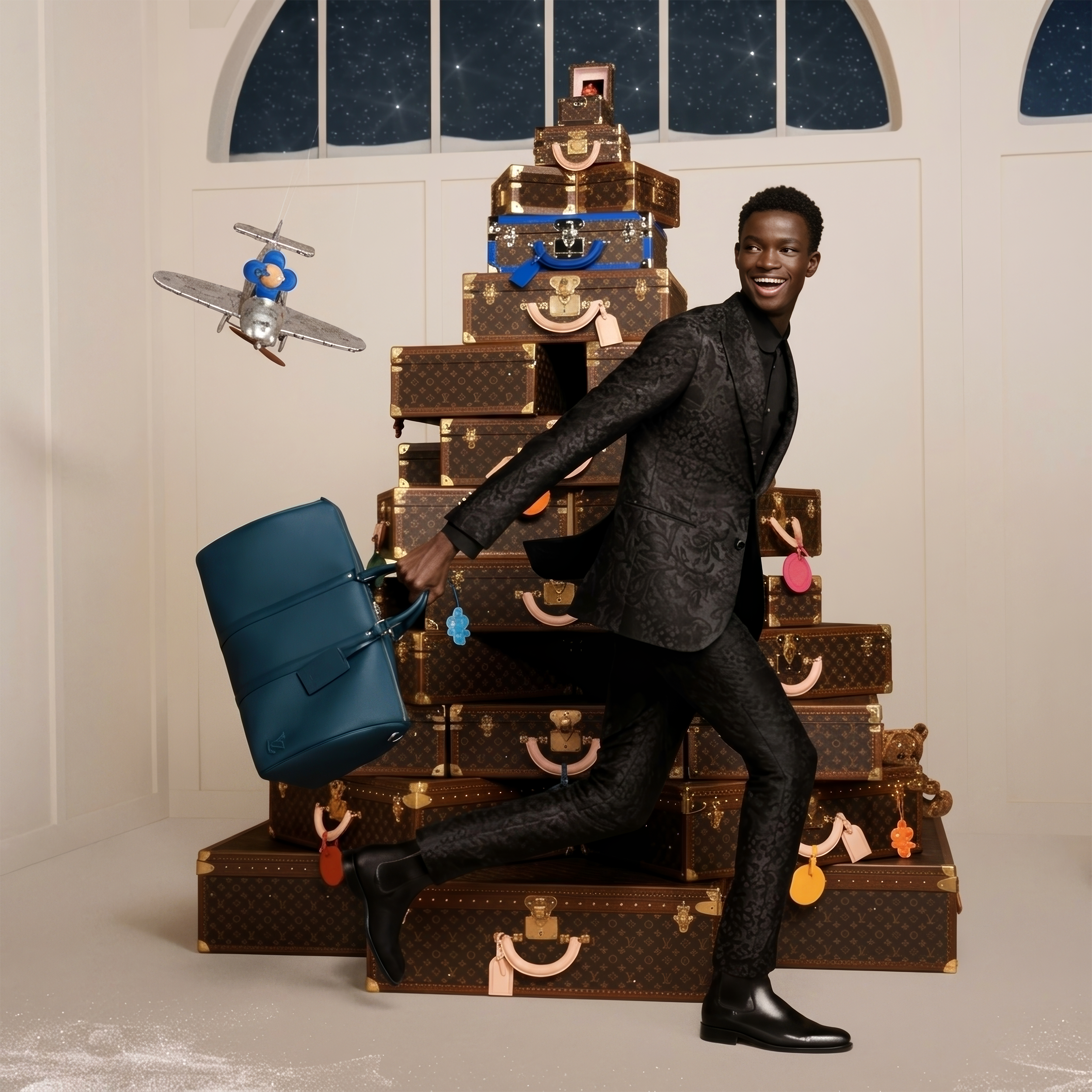
Louis Vuitton’s brand story begins with travel. Its early identity was shaped by trunks, luggage, craftsmanship, protection, movement, and elegance. This origin remains central to the Maison’s image today.
The power of this heritage is that it is simple, memorable, and emotionally strong. Travel is not only practical. It suggests discovery, status, freedom, adventure, and personal transformation. By owning this theme, Louis Vuitton created more than a product category. It created a luxury universe.
For modern luxury branding, this shows the importance of a clear founding narrative. The strongest luxury brands are not built only on products. They are built on a symbolic idea that can evolve across generations.
The Monogram as a Global Luxury Symbol
Louis Vuitton’s visual identity is one of the most recognizable in the world. The Monogram is not just a pattern. It is a cultural signature.
In luxury branding, symbols matter because they create instant recognition. They allow a brand to move beyond language, market, and geography. A strong symbol can communicate status, heritage, and desirability before a client reads a single word.
Louis Vuitton has turned its visual codes into global assets. The Monogram, Damier, trunks, natural leather details, and iconic silhouettes all form a consistent brand language. This consistency allows the Maison to remain recognizable while still exploring new creative directions.
For premium brands, the lesson is clear: visual identity must be designed for long-term recognition, not short-term decoration.
Storytelling That Keeps Heritage Alive
Louis Vuitton does not simply repeat its past. It narrates it.
The Maison continues to connect its products, campaigns, exhibitions, and fashion shows to themes of travel, craftsmanship, creativity, and movement. This makes the heritage feel alive rather than archival.
Luxury storytelling works when it gives meaning to the product. A bag becomes more than a bag. A trunk becomes more than a container. A fashion show becomes more than a seasonal presentation. Each element becomes part of a larger brand mythology.
This is why storytelling remains one of the most important tools in luxury marketing. High-value clients are not only buying quality. They are buying emotion, identity, history, and cultural meaning.
From Luxury House to Cultural Maison
One of Louis Vuitton’s greatest strengths is its ability to move beyond fashion while remaining deeply connected to luxury.
The brand operates across multiple cultural territories: art, music, architecture, travel, sport, design, celebrity, and contemporary lifestyle. This expansion is not random. It is carefully connected to the Maison’s central codes of creativity, movement, craftsmanship, and prestige.
By entering culture with authority, Louis Vuitton increases its relevance among different audiences and generations. It speaks to collectors, travelers, artists, celebrities, entrepreneurs, fashion clients, and younger luxury consumers.
This is how a luxury brand becomes more than a seller of products. It becomes a cultural institution.
Collaborations as Strategic Cultural Power
Louis Vuitton has used collaborations to keep the brand relevant without weakening its prestige. The strongest collaborations do not simply create attention. They create cultural meaning.
When a luxury brand collaborates with artists, designers, musicians, or cultural figures, it must protect its identity while allowing new interpretation. This balance is difficult. Too much novelty can damage heritage. Too much tradition can make the brand feel distant.
Louis Vuitton’s success comes from using collaboration as a controlled form of evolution. Each creative partnership can introduce new energy while still being connected to the Maison’s codes.
For luxury branding, the lesson is that collaboration should never be treated as decoration. It should serve brand strategy, cultural positioning, and long-term desirability.
Product as Cultural Object
Louis Vuitton products often function as cultural objects, not only commercial items. A trunk, bag, sneaker, perfume, or ready-to-wear piece can become part of a larger conversation around design, identity, status, and lifestyle.
This is one of the main differences between ordinary branding and luxury branding. In luxury, the product must carry symbolic weight. It should represent taste, belonging, achievement, and distinction.
Louis Vuitton understands this deeply. Its products are supported by heritage, visual codes, campaign storytelling, celebrity visibility, and cultural context. Together, these elements increase perceived value.
A luxury product becomes powerful when the client feels they are buying into a world, not only an object.
Digital Presence Without Losing Prestige
Modern luxury brands must be visible online, but visibility can be dangerous if it feels too commercial. Louis Vuitton shows how digital presence can remain elevated when it is controlled by strong creative direction.
The Maison uses digital platforms to distribute campaigns, fashion shows, product stories, cultural content, and brand experiences. The tone remains polished, visual, and aspirational. This allows Louis Vuitton to reach global audiences while preserving prestige.
For luxury brands seeking international growth, this is essential. Digital marketing should not reduce luxury to aggressive selling. It should create desire, education, emotion, and controlled access.
A strong digital presence must feel like an extension of the Maison, not a separate marketing machine.
Lessons for Modern Luxury Brands
Louis Vuitton’s global power offers several lessons for luxury brands, luxury branding agencies, and premium businesses.
First, heritage must be clear. A brand needs a strong origin story that can be repeated, remembered, and expanded.
Second, visual identity must be consistent. Luxury brands need recognizable codes that build long-term authority.
Third, storytelling must connect product to emotion. The client must understand not only what the product is, but why it matters.
Fourth, culture must be entered carefully. Art, music, sport, fashion, and design can increase relevance, but only when they support the brand’s identity.
Finally, innovation must respect heritage. The strongest luxury brands do not abandon their past. They transform it into modern desire.
Last Insight: Heritage Becomes Power When It Evolves
Louis Vuitton turns heritage into global cultural power because it understands that luxury is not only about history. It is about continuity, interpretation, and relevance.
The Maison protects its roots in travel, craftsmanship, and elegance while expanding into the cultural language of the present. This balance allows Louis Vuitton to remain timeless without becoming static, modern without becoming generic, and visible without losing prestige.
For any luxury brand, the lesson is decisive: heritage is valuable only when it is activated. It must be shaped into identity, storytelling, product experience, cultural authority, and emotional desire.
This is how a luxury house becomes more than a brand.
It becomes a global symbol.

Leave a comment
This site is protected by hCaptcha and the hCaptcha Privacy Policy and Terms of Service apply.